Seller lead generation software is quickly becoming the backbone of modern listing prospecting, and for good reason. Most agents don't actually have a lead problem, they have a focus problem. Instead of guessing which homeowners might list this year, seller lead generation software analyzes property and market signals to point agents toward the homes most likely to sell soon. Consequently, this shift matters because buying referral leads often costs agents 25 to 40 percent of their commission. As a result, more agents are moving toward owned seller lead generation software rather than rented leads. This guide explains how it works, what to look for, and where a platform like SellScore Pro fits in.
Quick answer: Seller lead generation software is a technology platform that scores homeowners by their likelihood to sell, then supplies agents with verified contact information, automated nurture campaigns, and marketing tools to convert those signals into signed listings.
What Is Seller Lead Generation Software?
Seller lead generation software is a platform built specifically to identify homeowners who are likely to sell, then hand agents the tools to reach and nurture them. Unlike buyer-focused portals, it flips the model: instead of waiting for a homeowner to raise their hand, it studies data such as ownership length, equity position, and local market movement to rank properties before a sign ever goes in the yard. Furthermore, most platforms label homes as hot, warm, or cold, giving agents a clear daily starting point rather than a random list of addresses. In particular, this matters because National Association of Realtors research has consistently found that the vast majority of sellers work with an agent, which means the competition for those listings is real and constant.
Above all, seller lead generation software is meant to replace guesswork. Rather than farming an entire ZIP code blindly, an agent can open a dashboard and see exactly which streets and households show the strongest seller signals right now.

Seller lead generation software turns raw property data into a prioritized daily prospecting list.
Why Most Seller Lead Gen Falls Short
Traditional seller lead gen usually means one of two things: cold farming a neighborhood or buying leads from a referral network. Both approaches have real drawbacks. For instance, farming blindly means calling through stale expired and FSBO lists alongside every other agent in town, hoping to get lucky before a sign appears elsewhere. Meanwhile, referral platforms solve the discovery problem but create a new one. They frequently take 25 to 40 percent of the commission, lock agents into contracts, and often distribute the same lead to multiple agents simultaneously. As a result, agents end up renting their pipeline instead of owning it.
Additionally, the U.S. Census Bureau estimates that American homeowners move roughly once every 13 years on average, which means the window to catch a seller before they list elsewhere is narrow. Therefore, waiting for a homeowner to call an agent directly often means arriving too late.
How Seller Lead Software Works: 6 Steps to Signed Listings
In general, seller lead software follows a repeatable sequence from raw data to a listing appointment. Below is the typical workflow inside a modern platform.
- Find the sellers. Review scored properties and the heat map to see which nearby homeowners show the strongest seller signals before starting daily outreach.
- Get the contact. Pull verified names, phone numbers, and emails so the agent can actually reach the homeowner behind the address.
- Attract sellers passively. Share a personal home value page through social media, QR codes, and flyers so curious homeowners request an estimate themselves.
- Nurture automatically. Let a weekly email sequence run for up to 48 weeks, keeping the agent's name in front of the homeowner year-round.
- Track engagement. Monitor email opens, link clicks, and report views to see which homeowners are actively paying attention.
- Start the conversation. Deliver a homeowner-facing report to open a natural, low-pressure dialogue that often leads to a listing appointment.
Notably, this workflow removes the single biggest failure point in old-school prospecting: the lead that goes cold after one unanswered call. Instead, the system keeps working even when the agent's calendar is full.
Key Features to Look for in a Seller Lead Platform
Not all seller lead tools are built the same way, so it helps to know what separates a genuinely useful platform from a glorified spreadsheet. Specifically, look for these capabilities before subscribing:
- Accurate, transparent seller scoring rather than a vague "interest" rating.
- Verified contact data included in the subscription, not sold separately.
- Automated nurture that runs for months, not days.
- Engagement tracking so agents know who to call first.
- Built-in CMA and presentation tools, similar in spirit to what agents traditionally pull from an MLS (multiple listing service), a shared database real estate professionals use to compile property and sales data.
- No long-term contract or referral-fee structure that eats into commission.
SellScore Pro: Seller Lead Generation Software Built by Brokers
SellScore Pro was built by real estate brokers specifically to solve the focus problem described above. Rather than another lead-buying subscription, it is seller lead generation software that agents own outright, with no referral fees, no commission splits, and no long contracts. It scores eligible residential properties across all 50 states as hot, warm, or cold, then layers in Contact Find, a personal home value page, 48 weeks of automated nurture, engagement tracking, AI-powered CMAs, a marketing hub, daily priorities, and an AI coach with scripts.
In short, the entire listing workflow lives in one place instead of five separate apps. As the platform puts it, the core promise is simple: it finds the opportunities, and the agent works the opportunities. You can review full plan details on the SellScore Pro pricing page, including the Spanish-language version at precios en español.
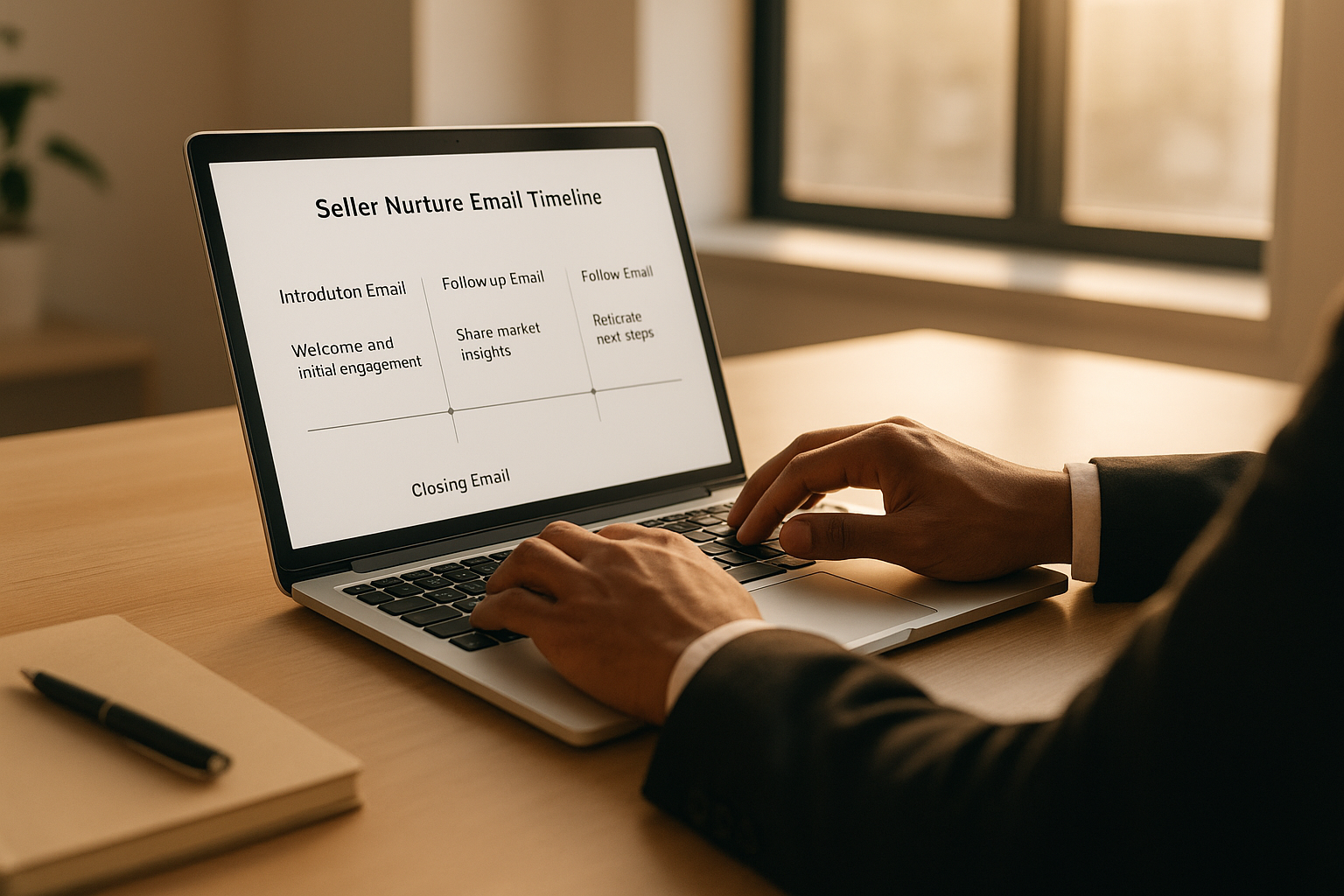
Automated nurture keeps agents visible to homeowners for nearly a full year.
Seller Lead Tools vs. Buying Referral Leads
When comparing seller lead tools to referral networks, the math usually favors ownership. A referral platform taking 30 percent of a commission on a $400,000 sale can cost an agent thousands of dollars per closing. In contrast, owned seller lead generation software typically runs a flat monthly fee, roughly $3.30 a day for a plan like SellScore Pro's Pro tier, regardless of how many deals close that month.
Similarly, referral leads are often shared among several agents at once, while an owned platform's contact data belongs to the agent who found it. For details on how homeowner and agent data is handled, see the privacy and data use policy. Bilingual offices can also route Spanish-speaking homeowner inquiries through the Spanish contact page.
Frequently Asked Questions
What is seller lead generation software?
Seller lead generation software is a platform that analyzes property and market data to identify homeowners likely to sell soon, then provides contact details and nurture tools so agents can turn that intelligence into listing appointments.
How does seller lead generation software find potential sellers?
It scores homes using signals such as ownership length, equity, tax records, and local market activity, then ranks properties as hot, warm, or cold based on how strongly those signals suggest a near-term sale.
Is seller lead generation software better than buying referral leads?
For agents who want to keep their full commission, yes, because owned software does not charge a referral fee, whereas referral platforms often take 25 to 40 percent per closed deal.
How much does seller lead generation software cost?
Pricing varies by provider, but platforms like SellScore Pro cost about $3.30 a day, starting with a $1 three-day trial before converting to a Pro or Pro+ subscription.
Can seller lead generation software work in every U.S. state?
Coverage depends on the vendor, though nationwide platforms score eligible residential properties across all 50 states, down to the state, county, and ZIP code level.
What is the difference between seller leads and buyer leads?
Seller leads are homeowners showing signs they may list their property, while buyer leads are people actively searching to purchase a home. Consequently, the outreach scripts and nurture timelines for each differ significantly.
How long does it take to see results from seller lead software?
Most agents see early engagement, such as page visits or email opens, within a few weeks. However, signed listings typically develop over several months as automated nurture builds trust.
What features should I look for in seller lead generation software?
Look for accurate seller scoring, verified contact data, automated nurture, engagement tracking, and built-in CMA or presentation tools so the workflow stays in one place.
Do I need a separate CRM if I use seller lead generation software?
Not necessarily. Many modern platforms include pipeline tracking, daily priorities, and engagement data, which reduces or eliminates the need for a standalone CRM subscription.
What common mistakes do agents make when using seller lead software?
The most common mistake is contacting a hot lead once and giving up. Instead, agents should let automated nurture run its course while watching engagement data to time follow-up calls.
Is there a free trial for SellScore Pro's seller lead generation software?
Yes, SellScore Pro offers a three-day trial for $1, available one time only, which converts to a Pro or Pro+ subscription unless canceled from Subscription Management.
How does seller lead generation software protect homeowner data privacy?
Reputable platforms publish a clear privacy policy explaining what data is collected and how it is used, and they process billing through secure, PCI-compliant payment processors such as Stripe.
Can new agents use seller lead generation software effectively?
Yes. Because the software prioritizes prospects automatically, new agents can skip years of guesswork and focus their limited time on the homeowners most likely to respond.
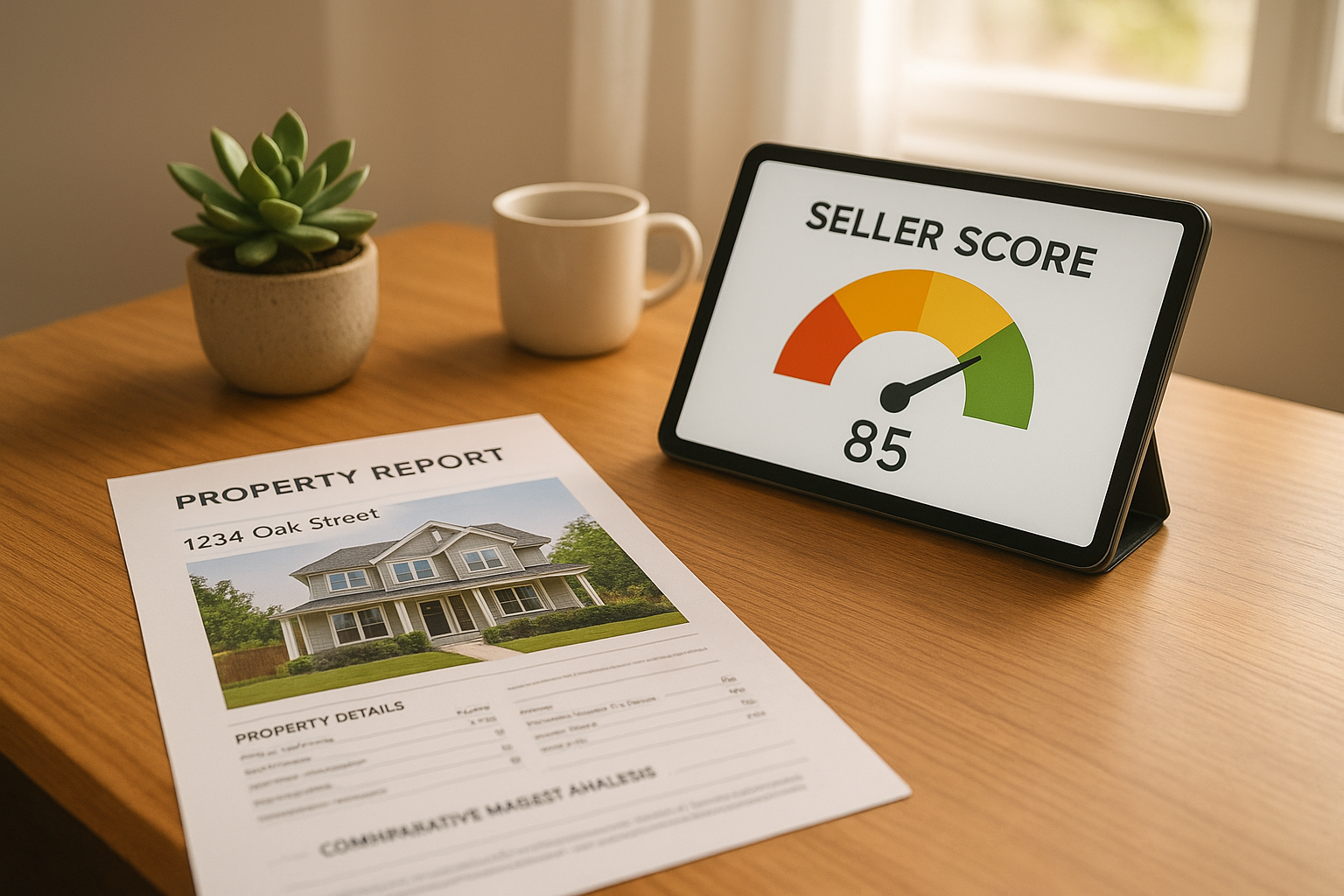
A printed wealth report can turn quiet curiosity into a real listing conversation.
In summary, seller lead generation software solves a focus problem, not just a lead problem. Rather than farming blindly or paying away commission to a referral network, agents can score homeowners nationwide, pull verified contacts, and let automated nurture carry the relationship for nearly a year. Platforms such as SellScore Pro bundle that scoring, contact data, nurture, presentation tools, and coaching into one subscription built specifically for listing agents. Ultimately, choosing the right seller lead generation software comes down to ownership, cost transparency, and whether the platform actually replaces the patchwork of tools most agents already juggle.
