An auto dialer for realtors is software that automatically places outbound calls so agents can move through a prospecting list faster than dialing by hand. However, speed alone rarely translates into signed listings, because most of those calls still land on homeowners who have no intention of selling. In fact, many agents who invest in a dialer discover the real bottleneck was never the dialing speed — it was knowing who to call in the first place. This guide looks at how auto dialers work, where they fall short, and what a more targeted alternative looks like for agents chasing their next listing.
Quick answer: An auto dialer for realtors speeds up outbound calling, but it does not tell you which homeowners are actually likely to sell. Pairing — or replacing — a dialer with seller-signal data, such as SellScore Pro's Hot, Warm, and Cold scoring, typically produces more qualified conversations per hour than dialing speed alone.

An auto dialer for realtors speeds up calling, but it still depends on the quality of the list behind it.
What Is an Auto Dialer for Realtors?
An auto dialer for realtors is a piece of call-center technology adapted for residential real estate prospecting. Specifically, it automates the repetitive parts of cold calling — dialing numbers, detecting voicemail, and logging call outcomes — so an agent's time goes toward talking instead of tapping a keypad.
Most platforms fall into one of three categories: preview dialers, power dialers, and predictive dialers, a distinction tracked in detail on Wikipedia's predictive dialer overview. Preview dialers show the agent a contact before dialing. Power dialers call the next number automatically once a call ends. Predictive dialers go further, dialing multiple numbers ahead of time on the assumption some will go unanswered. For a closer look at how these systems hold up in real estate specifically, see this review of the best dialer options for real estate in 2026.
How Does an Auto Dialer Work for Real Estate Agents?
In practice, a real estate dialer connects to an uploaded contact list — often expireds, FSBOs, or an absentee-owner list — then works through it automatically. Therefore, the agent's main job becomes managing conversations, not managing a phone.
Most systems also layer on a CRM, call recording, and voicemail drop so the agent is not starting from zero on every call. Consequently, agents can often place two to three times more calls per hour compared with manual dialing. Still, that number only matters if the list being dialed is worth calling. As a result, many agents who adopt a dialer without fixing their lead list end up dialing the same stale expireds as every other agent in the ZIP code, a problem examined closely in this comparison of real estate cold-calling services.
The Pros and Cons of a Real Estate Cold-Calling Dialer
On the plus side, a dialer saves time, standardizes follow-up, and gives newer agents a structured way to practice scripts. For teams with a dedicated inside-sales agent, that time savings can add up quickly.
On the other hand, dialers carry real downsides. For example, compliance risk is significant: the FCC enforces strict rules under the Telephone Consumer Protection Act, and violations can carry penalties of $500 to $1,500 per call, according to FCC guidance on telemarketing and robocalls. In addition, more than 240 million phone numbers are listed on the National Do Not Call Registry, which narrows the pool of homeowners agents can legally cold call. Meanwhile, a dialer does nothing to identify which homeowners are actually close to listing — it just makes it faster to call the wrong ones.
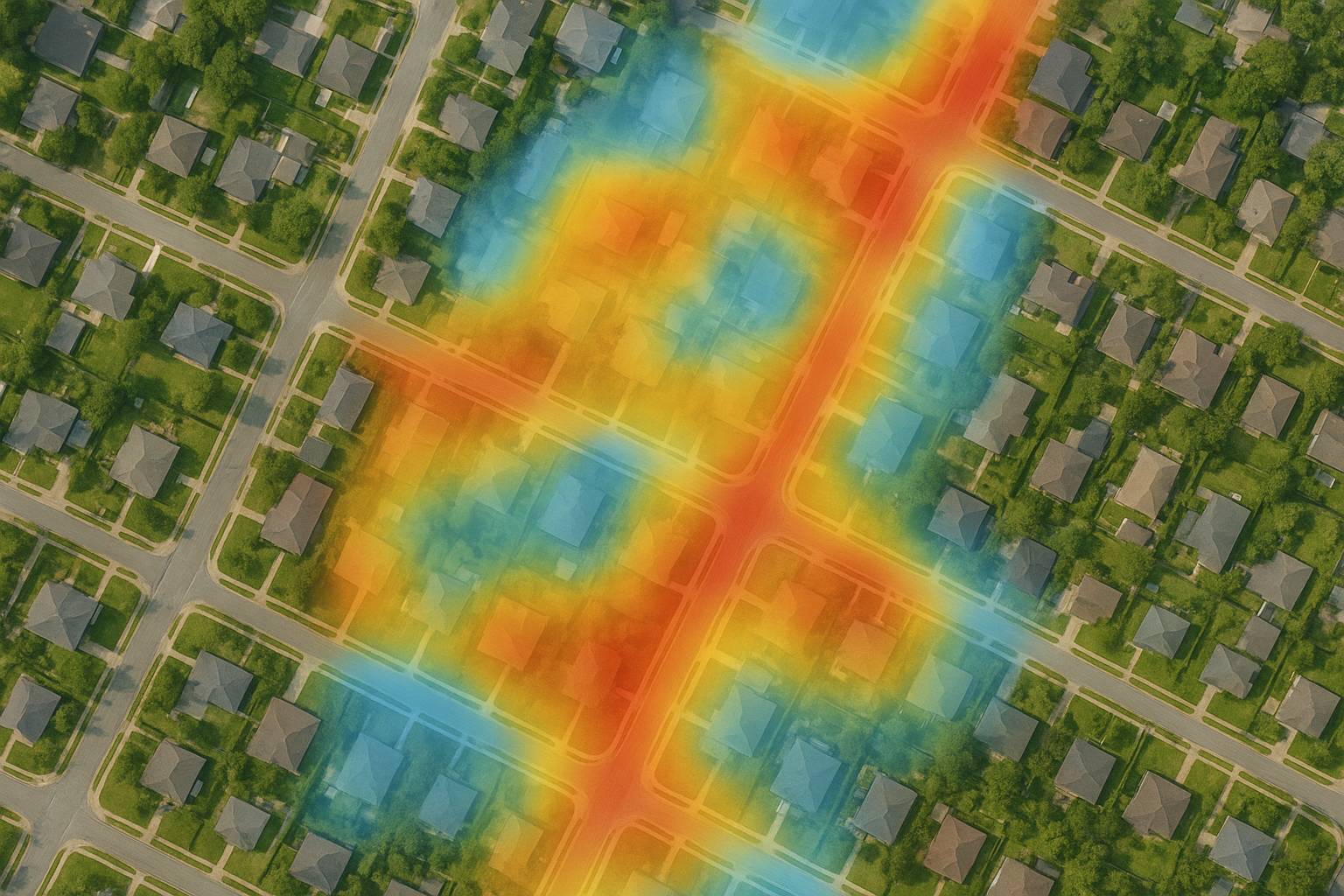
Seller-signal scoring narrows a neighborhood down to the homeowners most worth calling first.
Auto Dialer vs. Seller-Intelligence Software: What's the Real Difference?
A dialer answers "how fast can I call?" Seller-intelligence software answers a different, arguably more important question: "who should I call first?" Specifically, platforms like SellScore Pro score properties nationwide as Hot, Warm, or Cold based on seller signals, then add verified owner contact details on top.
As a result, instead of dialing a flat list in alphabetical order, an agent opens a Heat Map and starts with the homeowners showing the strongest signs of moving. Furthermore, once a contact is found, the lead does not go cold after one unanswered call — it enters up to 48 weeks of automated nurture emails, with engagement tracking that shows exactly who opened a message, clicked a link, or viewed a Wealth Report. For agents weighing this approach against a traditional dialer, this breakdown of whether an auto dialer for real estate agents is worth it in 2026 covers the tradeoffs in more depth.
Step-by-Step: Build a Smarter Prospecting System
Rather than relying on dialing speed alone, agents can combine signal-based prospecting with light automation in five steps:
- Identify seller signals before you dial. Start with a Hot, Warm, or Cold score for homes in your target area instead of calling every address on a street equally.
- Pull verified contact information. Add a name, phone number, and email to each prioritized property so outreach has somewhere real to go.
- Launch an automated nurture sequence. Put every new contact into a weekly email sequence so the relationship keeps moving even on days you cannot call.
- Track engagement to prioritize follow-up calls. Watch opens, clicks, and report views, then call the homeowners who are actively engaging first.
- Send a Wealth Report to open the conversation. Use a homeowner-facing report to start a real conversation about value instead of leading with a cold pitch.
Notably, this sequence does not eliminate the phone call — it simply makes sure every call is placed to someone worth calling, which is the exact gap most automated seller lead nurture systems are built to close.
What to Look for in Real Estate Dialer Software
If an agent still wants dialer functionality, a few features matter more than raw call volume. First, compliance tools matter: look for built-in Do Not Call scrubbing and TCPA consent tracking, since fines apply per call, not per campaign.
Second, integration matters. A dialer that does not connect to a CRM or lead-scoring tool creates duplicate work instead of saving time. Third, reporting matters: agents should see connect rates, not just dial counts, because a high dial count paired with a low connect rate usually signals a bad list, not a slow dialer. Finally, consider where the list feeding the dialer actually comes from — public records, stale expireds, or something closer to real seller intent — a distinction covered in more detail in this guide to marketing ideas that actually win listings.
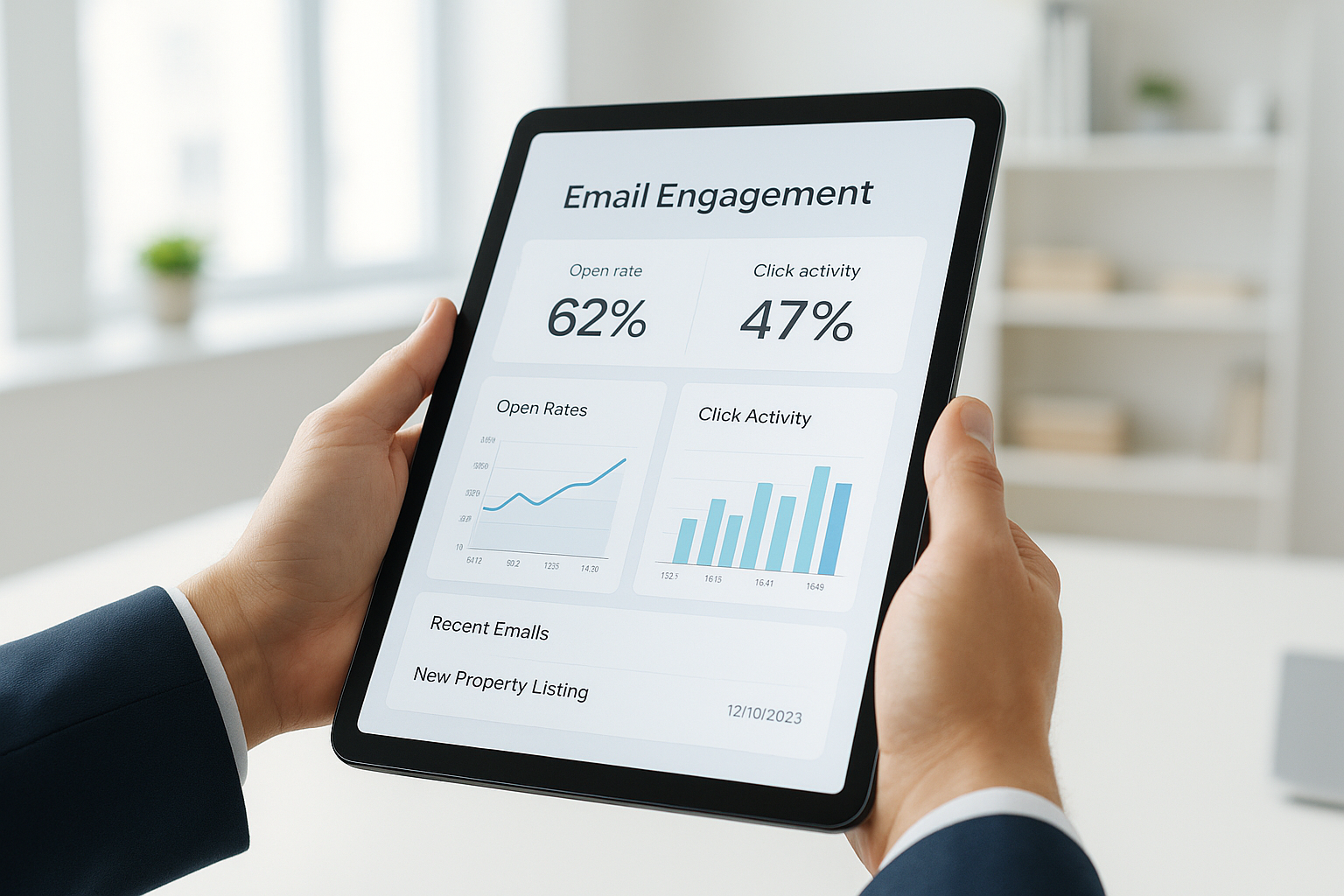
Engagement tracking shows which homeowners are paying attention, so follow-up calls target the right people.
What Does an Auto Dialer Typically Cost Real Estate Agents?
Pricing for real estate dialers generally ranges from $100 to $400 per seat per month, depending on call volume, number of lines, and whether local presence dialing is included. On top of that, many agents still pay separately for a lead list, a CRM, and presentation software, which pushes the real monthly cost higher.
By comparison, an all-in-one platform that bundles seller scoring, contact finding, nurture emails, and CMA tools can run close to $3.30 a day, roughly $99 a month for SellScore Pro's Pro plan, or $149 a month for Pro+ with double the monthly contact finds. Therefore, the real cost question is not just "what does the dialer cost," but "what does the entire prospecting stack cost once every tool is added up." Agents can compare the full feature set directly at SellScore Pro.
Frequently Asked Questions About Auto Dialer for Realtors
What is an auto dialer for realtors?
An auto dialer for realtors is software that automatically places outbound calls from an uploaded list, so agents spend less time dialing and more time talking. It typically includes call logging, voicemail drop, and basic reporting.
How does an auto dialer work for real estate cold calling?
It connects to a contact list, dials numbers automatically or predictively, and routes a connected call straight to the agent. Most systems also track call outcomes automatically.
Is an auto dialer legal for real estate agents to use?
Yes, but only within TCPA rules and Do Not Call Registry restrictions. Agents need documented consent processes and should scrub lists regularly to avoid per-call penalties.
What's the difference between an auto dialer and a predictive dialer?
A standard auto dialer calls the next number once a call ends, while a predictive dialer calls multiple numbers at once using statistical models. Predictive dialers increase speed but raise the risk of abandoned or unanswered calls.
How much does an auto dialer for realtors cost per month?
Most dedicated real estate dialers cost between $100 and $400 per month, depending on call volume and features. That price usually does not include a lead list, CRM, or presentation software.
Why do some agents stop using an auto dialer?
Many agents stop because dialing speed did not translate into more listings, since the underlying list still contained mostly unmotivated homeowners. Without better targeting, a faster dialer just produces faster rejection.
Can an auto dialer replace a full listing-prospecting system?
No, a dialer only speeds up calling; it does not identify which homeowners are likely to sell or nurture them between calls. Most agents need seller scoring and automated follow-up alongside any dialer.
What mistakes do agents commonly make with real estate dialer software?
The most common mistake is dialing an unfiltered or outdated list instead of prioritizing homeowners with real seller signals. Agents also skip compliance scrubbing, which creates legal exposure.
How long does it take to see results from dialer-based cold calling?
Most agents need 8 to 12 weeks of consistent daily calling before results stabilize, since cold-call conversion typically builds through repeated contact. Pairing calls with automated nurture emails tends to shorten that timeline.
How does seller-intelligence software compare to an auto dialer?
Seller-intelligence software scores homeowners by likelihood to sell before any call is made, while a dialer only affects how fast calls happen. Used together, scoring narrows the list and the dialer works it faster, though many agents find scoring plus nurture alone produces strong results on its own.
Does SellScore Pro include an auto dialer?
SellScore Pro is not a dialer; it is a seller-intelligence platform that scores homes Hot, Warm, or Cold, finds owner contact information, and automates nurture emails for up to 48 weeks. Agents still place calls themselves, but they call a shorter, more qualified list.
What is a good alternative to an auto dialer for finding listings?
A strong alternative combines seller-signal scoring, verified contact data, and automated nurture emails so outreach targets homeowners already showing signs of moving. This approach reduces the number of calls needed per listing compared with dialing an unfiltered list.
Final Thoughts
In the end, an auto dialer for realtors can shave time off manual dialing, but it cannot tell an agent which homeowner is actually ready to sell. As this guide has shown, dialing speed without seller signals, verified contacts, and consistent nurture just produces more conversations with the wrong people, faster. Therefore, agents who want more signed listings — not just more calls — typically get further by pairing, or replacing, a dialer with a platform that scores sellers, finds their contact information, and nurtures them automatically for almost a year. SellScore Pro was built by brokers to solve exactly that focus problem, for about $3.30 a day, without referral fees or long contracts.
