The best auto dialer for real estate is not the fastest one on the market — it is the one that fits an agent's call volume, compliance needs, and lead source without creating new headaches. Many agents search for a dialer first and a lead strategy second, which is exactly backward, and it is why so many subscriptions get cancelled after two frustrating months. This guide walks through how these tools actually work, what separates a solid one from a liability, and why the dialer itself is rarely the thing that wins more listings.
Direct answer: There is no single "best" auto dialer for every agent. Solo agents making a few hundred calls a week generally do better with a simple power dialer, while teams making thousands of calls need a predictive dialer with strict compliance controls. In both cases, the dialer only performs as well as the list loaded into it.

Choosing the best auto dialer for real estate starts with the list, not the software.
What Is the Best Auto Dialer for Real Estate?
An auto dialer is software that places outbound calls automatically from a loaded contact list, connecting an agent only once a live person picks up. The best auto dialer for real estate, specifically, adds features general sales dialers skip, such as local-presence caller ID tied to the property's county and simple tagging for listing stages like seller, buyer, or FSBO.
In practice, most agents fall into one of two camps. Solo agents or small teams usually prefer a power dialer, which dials one number at a time so every connected call lands with the agent. Larger teams often choose a predictive dialer, which dials multiple lines simultaneously and routes the first answer to whichever agent is free, dramatically increasing talk time but requiring tighter compliance oversight.
How Real Estate Auto Dialers Actually Work
Underneath the interface, a real estate auto dialer is a queue manager. It takes a list, strips out numbers flagged as invalid or on a suppression list, and starts dialing in the order you set. As a result, the agent's job shifts from dialing to simply talking and logging outcomes.
Here is the general workflow most agents follow during a calling session:
- Build or import a scored contact list. Pull names, phone numbers, and property details into the dialer from a lead source that ranks homeowners by seller likelihood rather than dialing an entire neighborhood blindly.
- Segment contacts by seller-signal strength. Split the list into priority tiers such as hot, warm, and cold so the dialer calls the homeowners most likely to sell first, before time runs out on the session.
- Scrub numbers and set compliant calling windows. Run the list against the National Do Not Call Registry and configure the dialer to call only within legally permitted hours for the homeowner's time zone.
- Work the queue with a script and log every outcome. Answer connected calls with a short, conversational script, then immediately log the result as interested, not now, wrong number, or do not call so the record stays accurate.
- Route non-answers into automated nurture. Send every contact who did not pick up into an automated email or text follow-up sequence instead of letting the lead go cold after one unanswered attempt.
TCPA and Do-Not-Call Rules Every Agent Should Know
Compliance is the part most dialer comparisons skip, yet it matters more than call speed. The Telephone Consumer Protection Act (TCPA) regulates automated and prerecorded calls, and the Federal Trade Commission's National Do Not Call Registry rules require telemarketers, including agents cold calling prospects, to scrub lists regularly.
Specifically, predictive dialers face stricter scrutiny because the Federal Communications Commission treats certain autodialing technology as higher-risk under current FCC telemarketing guidance. In contrast, power dialers that require a human to initiate each call generally carry fewer restrictions. Before buying any dialer, confirm it offers automatic DNC scrubbing and call recording disclosures, since violations can carry fines per call, not per campaign.
7 Features That Separate a Strong Real Estate Dialer From a Weak One
Once compliance is covered, the remaining differences between dialers come down to day-to-day usability. The following features consistently separate tools agents keep using from the ones they cancel after a billing cycle.
- Local caller ID tied to the area code of the property being called, which improves answer rates noticeably.
- Built-in Do Not Call scrubbing that runs automatically, not as a manual upload step agents forget.
- Call recording with disclosure for training and dispute protection.
- Simple CRM or spreadsheet sync so call outcomes do not live in two disconnected systems.
- Clear connect-rate reporting instead of vanity metrics like total dials.
- Voicemail drop to save time on calls that go unanswered.
- Month-to-month billing with no long-term contract, since call volume naturally fluctuates by season.
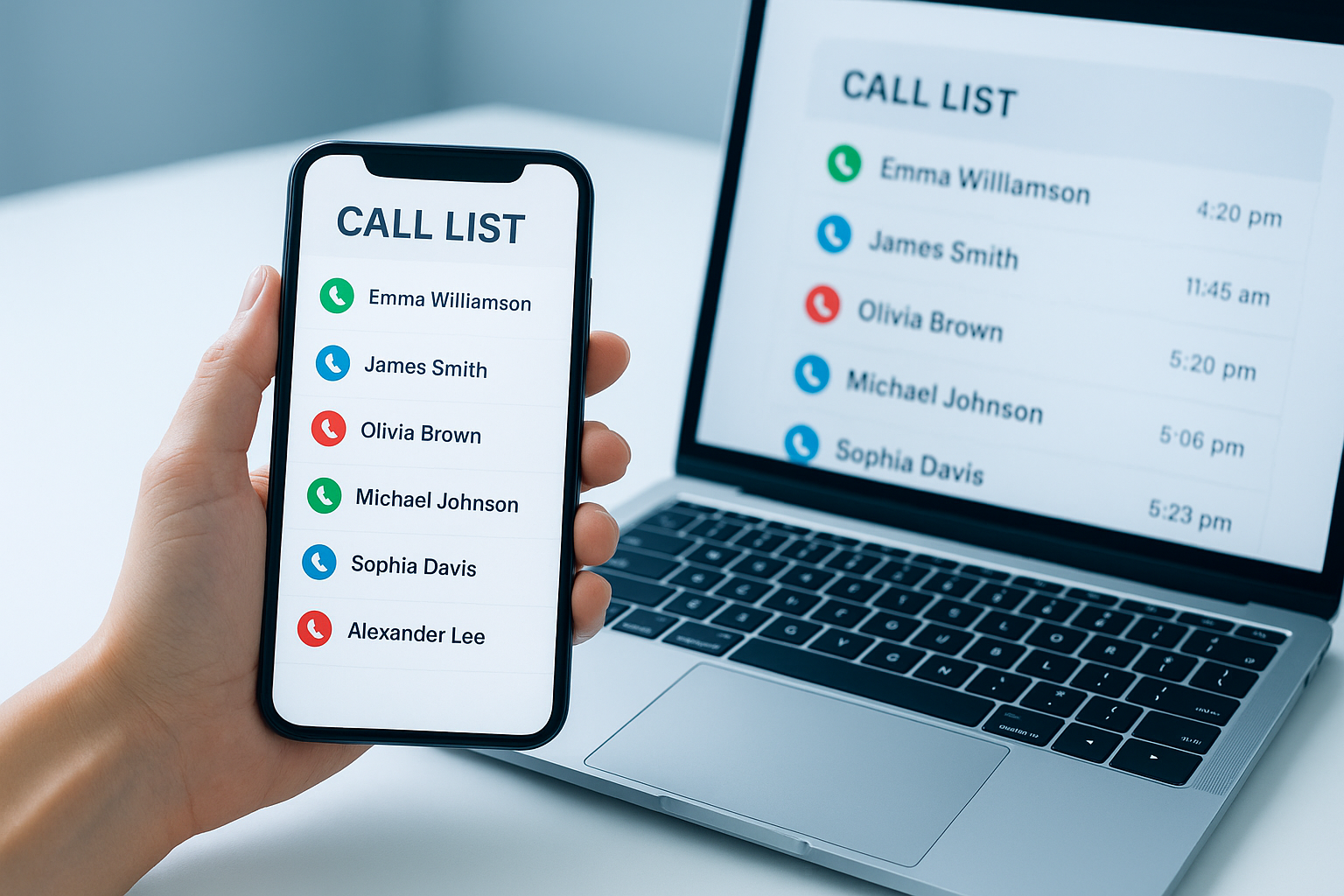
Reporting and list quality matter more than raw dial speed.
Why a Dialer Alone Won't Fix Your Real Estate Prospecting Problem
Here is the uncomfortable truth most dialer marketing avoids: a faster dialer calling a weak list just produces more fast rejections. Most agents do not actually have a lead volume problem. They have a focus problem, dialing through stale expired lists and generic farm areas alongside every other agent in the market.
Consequently, the agents who get the best return from any dialer are the ones who feed it a list already filtered for seller intent, rather than a random residential list purchased by zip code. If you are still weighing whether to buy one at all, our detailed breakdown of whether an auto dialer for real estate agents is worth it in 2026 covers the return-on-investment math in more depth.
Pairing an Auto Dialer With Real Estate Seller Intelligence
This is where most dialer comparisons stop short. A dialer is calling infrastructure; it does not know which homeowner nearby is actually showing signs of selling this quarter. That is a separate layer, and it typically determines whether a calling session produces a listing appointment or an hour of hang-ups.
SellScore Pro was built by real estate brokers specifically to fill that gap. Instead of dialing blindly, agents open the platform and see homes nationwide scored Hot, Warm, or Cold based on seller signals, then use Contact Find to pull the owner's name, phone number, and email directly into whatever dialer they already use. Pro includes 50 contact finds monthly and Pro+ includes 100, for roughly $3.30 a day with no referral fees, no commission splits, and no long contract.
Furthermore, every lead found this way gets dropped into 48 weeks of automated seller nurture, so the relationship keeps moving even on days the agent never touches the dialer. For a closer look at this approach, see our guide on real estate prospecting software that finds sellers first, or review how to find sellers before they list.
Cost Breakdown: Dialers, Referral Platforms, and All-in-One Options
Standalone dialer software typically costs $80 to $300 per month per seat, and that price rarely includes the lead data itself. Referral platforms solve the data problem but take 25 to 40 percent of the resulting commission, which can cost far more over a year than any software subscription.
In contrast, an all-in-one platform that combines seller scoring, contact data, and nurture automation removes the need to juggle separate subscriptions for lists, dialers, and CRMs. Agents comparing specific dialer brands side by side may also want our roundup of the best dialer for real estate, with top picks for 2026, and those who would rather outsource calling entirely can review whether real estate cold calling services are worth it in 2026.
Frequently Asked Questions About the Best Auto Dialer for Real Estate
What is the best auto dialer for real estate?
The best auto dialer for real estate is the one that matches your compliance needs, call volume, and budget while integrating cleanly with your lead source. There is no single winner for every agent; power dialers suit solo agents making a few hundred calls weekly, while predictive dialers suit teams making thousands.
How does an auto dialer work for real estate agents?
An auto dialer loads a contact list, dials numbers automatically, and connects the agent only when a live person answers. Agents then log the outcome, and the system moves the contact into the next queue or follow-up sequence.
Why do real estate agents use auto dialers?
Agents use dialers to cut the dead time between calls, since manual dialing wastes minutes on busy signals, voicemail, and misdials. A dialer lets an agent talk to more real people in the same hour.
What is the difference between a predictive dialer and a power dialer?
A power dialer calls one number at a time per agent, so every connected call reaches that agent. A predictive dialer calls several numbers at once using an algorithm, which increases speed but carries stricter compliance requirements.
How much does a real estate auto dialer cost?
Standalone dialer software typically runs $80 to $300 per month per user, depending on call volume, line count, and whether SMS or voicemail drop is included. That cost is separate from the leads and contact data an agent still needs to feed into it.
How long does it take to see results from cold calling with a dialer?
Most agents need several weeks of consistent daily calling before conversion patterns become clear, since cold outreach relies on repetition and timing. Results also depend heavily on list quality; calling homeowners with no seller signal rarely produces faster results, regardless of dialer speed.
What are the most common mistakes agents make with auto dialers?
The most common mistake is dialing a cold, unscored list and assuming volume alone will produce listings. Other frequent errors include ignoring Do Not Call scrubbing, skipping call recording disclosures, and never updating scripts based on logged objections.
Is it legal to use an auto dialer for real estate prospecting?
Yes, but legality depends on how the dialer is configured and whether numbers were scrubbed against the National Do Not Call Registry. Predictive dialers and prerecorded messages face additional restrictions under the Telephone Consumer Protection Act.
What features should the best auto dialer for real estate include?
Look for local caller ID, built-in Do Not Call scrubbing, call recording with disclosure, CRM or spreadsheet integration, and clear reporting on connect rates. Voicemail drop and SMS follow-up are useful extras but matter less than compliance tools.
Can an auto dialer replace a CRM?
No, a dialer and a CRM solve different problems. A dialer speeds up calling, while a CRM tracks relationship history, follow-up timing, and pipeline stage across months of contact.
Do I need a separate lead list to use with a dialer?
Yes, in almost every case. A dialer is calling infrastructure, not a lead source, so agents must still supply names, numbers, and ideally some signal of seller intent.
What is the best alternative to buying an auto dialer alone?
Pairing a dialer with a platform that scores seller likelihood before you call, such as SellScore Pro, gives the dialer a better list to work instead of a random one. That combination typically outperforms a faster dialer dialing an unscored list.
How does SellScore Pro work with or without a dialer?
SellScore Pro scores homes nationwide as Hot, Warm, or Cold based on seller signals, then supplies owner contact details agents can load into any dialer. It also runs 48 weeks of automated seller nurture so leads keep moving even on days an agent never picks up the phone.

A prioritized list turns dialer time into booked appointments instead of hang-ups.
Final Takeaway
Choosing the best auto dialer for real estate comes down to matching the tool to your call volume, keeping compliance tight, and never forgetting that the dialer is only as good as the list it dials. A powerful dialer working a weak, unscored list will still produce weak results, while even a basic dialer working a seller-scored list can outperform expectations.
Therefore, before comparing dialer brands feature by feature, spend time on the list quality question first. Agents who pair calling infrastructure with seller-intelligence tools like SellScore Pro, available at sellscorepro.com, typically spend less time dialing dead numbers and more time talking to homeowners who were already showing real signs of moving.
