The best dialer for cold calling real estate is the one that turns your list into actual conversations without burning hours on voicemail and dead numbers. However, before you buy any dialer, it helps to understand what these tools actually do, where they fall short, and why the homeowner list behind the dialer often matters more than the dialer itself.
Most agents assume the dialer is the bottleneck. In reality, the bigger problem is usually the list. Specifically, a fast dialer connected to a stale, random list of homeowners will still produce weak results. This guide walks through what a cold-calling dialer actually does, the features worth paying for, and how smarter seller data changes the math entirely.

Agents who pair a reliable dialer with targeted seller data typically see higher contact rates during prospecting sessions.
What Is the Best Dialer for Cold Calling Real Estate?
The best dialer for cold calling real estate is a power or predictive dialing system that lets agents move through a prospecting list quickly while skipping voicemails and disconnected numbers automatically. In short, it exists to save time, not to replace strategy. A dialer cannot tell you which homeowner is actually thinking about selling; it only helps you reach more people, faster, once you already know who to call.
As a result, the "best" option really depends on your situation. A solo agent calling 50 contacts a week needs something very different from a team dialing thousands of numbers monthly. Therefore, instead of chasing a single universal answer, it helps to understand the categories of dialers available first.
Types of Dialers Agents Actually Use
Power dialers call one number at a time and connect the agent the instant someone picks up, which keeps conversations natural. Predictive dialers, in contrast, call several numbers simultaneously and use statistical models to guess when an agent will be free. Consequently, predictive dialers boost raw volume but can also trigger abandoned-call complaints if not configured carefully under FCC telemarketing guidelines.
Why Cold Calling Still Earns a Place in Listing Strategy
Cold calling, as defined by Wikipedia's overview of the practice, is the solicitation of someone who had no prior interaction with the salesperson. In real estate, that translates into calling homeowners who never requested contact. Despite digital marketing's rise, phone conversations remain one of the fastest ways to qualify a seller's timeline and motivation.
That said, cold calling only pays off when the list behind it is sharp. Dialing randomly through an entire farm area wastes hours on homeowners who have zero intention of selling anytime soon. In contrast, calling homeowners already showing seller signals, such as searching home values repeatedly, dramatically changes the odds of a real conversation.
What a Real Estate Cold-Calling Dialer Cannot Fix
No dialer, however advanced, can manufacture motivation that is not there. Specifically, a dialer increases the speed of outreach, not the quality of the list. Agents who rely purely on expired listings or FSBO rosters are often competing against a dozen other agents dialing the exact same numbers that same week.

Many agents juggle a dialer, a CRM, and a lead list separately instead of working from one connected system.
Key Features Worth Paying For in a Real Estate Dialer
Not every dialer feature matters equally. For instance, voicemail drop, local presence caller ID, and automatic call logging tend to save the most time day to day. Meanwhile, features like call recording and disposition tagging help agents and brokers track what is actually working across a team.
- Local presence dialing to raise answer rates in the homeowner's area code.
- Automatic Do Not Call Registry scrubbing to reduce compliance risk.
- CRM or seller-data integration so call notes sync without manual entry.
- Call recording and disposition tracking for coaching and follow-up.
- Transparent, month-to-month pricing without long contract commitments.
How to Choose the Right Auto Dialer for Your Business
Choosing well takes a bit of structure rather than guesswork. Below is the process agents and teams can follow before signing up for any dialer subscription.
- Define your calling volume needs. Count how many contacts you realistically plan to dial each week, since a part-time farm of 200 contacts needs a very different tool than a full-time team dialing thousands of numbers monthly.
- Check compliance safeguards. Confirm the dialer scrubs numbers against the Do Not Call Registry automatically and supports disclosure requirements tied to telemarketing rules.
- Test CRM and data integration. Make sure the dialer connects cleanly with your CRM or seller-intelligence platform so call notes, dispositions, and follow-up tasks sync automatically instead of requiring manual data entry.
- Evaluate reporting and analytics. Look for dashboards that show talk time, contact rate, and appointment conversion by list source, since this data reveals which prospecting lists are actually worth calling.
- Compare pricing and contract terms. Request a trial period and confirm whether the provider requires a long-term contract, since month-to-month flexibility protects you if the tool does not deliver results quickly enough.
Comparing Dialer-First Prospecting to Data-First Prospecting
A dialer-first approach starts with the question "how fast can I call this list?" A data-first approach starts earlier, with "which homeowners on this list actually want to sell?" Consequently, the second approach tends to produce far fewer wasted calls, even if total call volume drops. For a deeper breakdown of specific dialer options, see this comparison of the top real estate dialers for 2026 and this look at whether an auto dialer is worth the investment for growing teams.
In addition, agents weighing done-for-you calling against software alone may want to review this analysis of cold calling services and whether they pay off. According to industry surveys cited by the National Association of Realtors, agents consistently report that prospecting quality, not just quantity, drives listing appointments.
Where SellScore Pro Fits Into the Picture
SellScore Pro is not a dialer, and it does not try to be one. Instead, it solves the problem that happens before the dialer ever gets picked up: knowing which homeowners are worth calling in the first place. The platform scores homes across all 50 states as HOT, WARM, or COLD based on seller signals, then supplies owner contact details so agents can plug a strong list into whichever dialer they already use.
On top of that, every lead gets 48 weeks of automated nurture emails, engagement tracking, and an AI-built CMA, so the phone call becomes one piece of a longer relationship rather than a one-shot attempt. For agents comparing full prospecting systems rather than call tools alone, this breakdown of prospecting software that finds sellers first is a useful next read. You can also explore SellScore Pro directly to see current seller-signal coverage in your market.
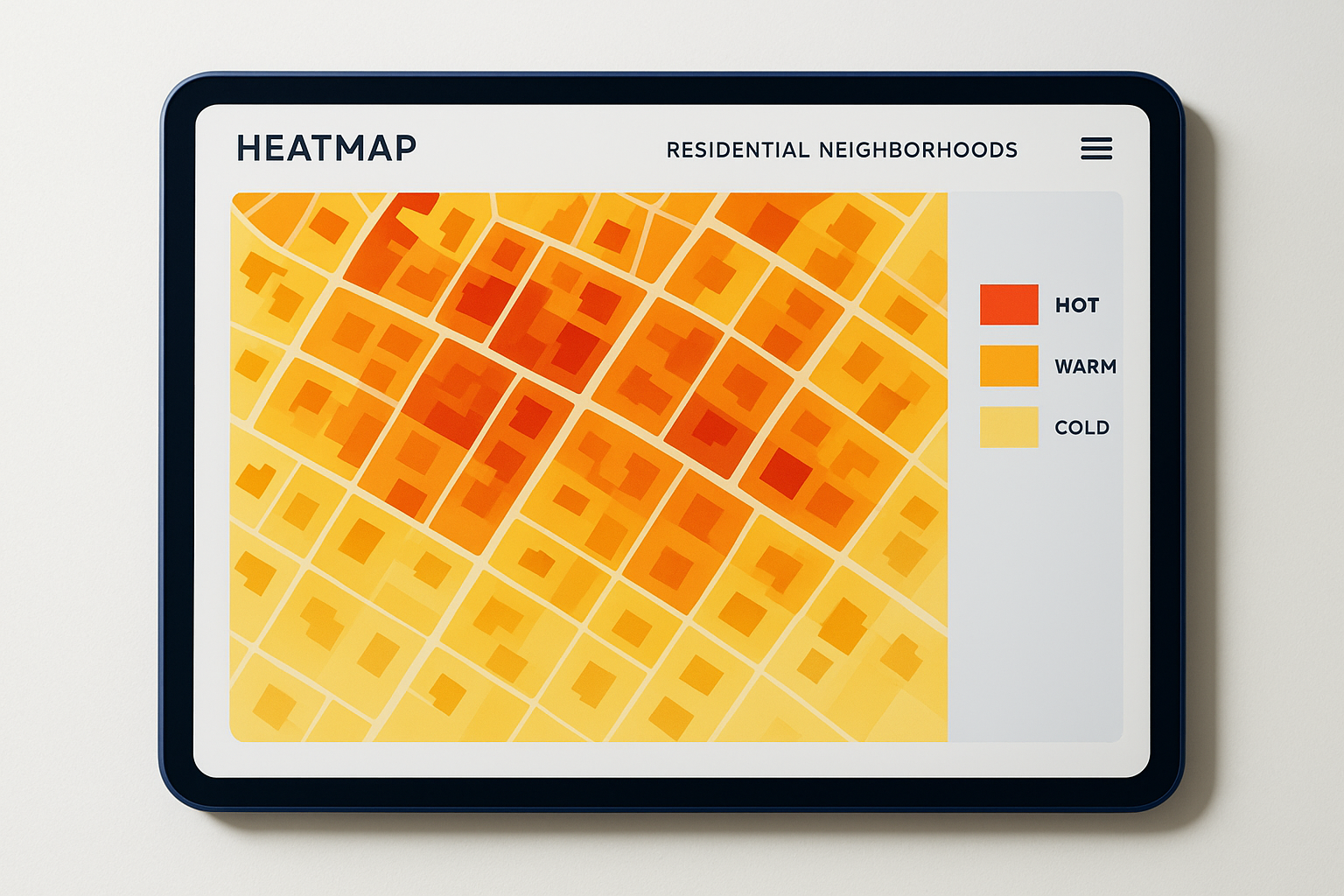
Seller-signal scoring helps agents prioritize which homeowners to call before dialing begins.
Common Mistakes Agents Make With Cold-Calling Dialers
First, many agents buy the dialer with the highest advertised call volume without checking whether it integrates with their CRM. Second, some skip compliance scrubbing entirely, which risks fines under the Telephone Consumer Protection Act. Third, and most commonly, agents treat the dialer as the whole strategy instead of pairing it with a list built from real seller signals.
Similarly, agents sometimes give up on a lead after a single unanswered call. However, data on sales outreach generally shows that it takes multiple touchpoints, often six or more, before a prospect responds. A dialer paired with automated nurture, such as the 48-week email sequence built into SellScore Pro, keeps that relationship alive long after the first call goes unanswered.
Frequently Asked Questions About Dialers for Cold Calling Real Estate
What is the best dialer for cold calling real estate?
The best dialer for cold calling real estate is one that balances call volume with compliance safeguards and easy CRM integration. For most agents, the right choice depends on list size, budget, and whether they need predictive, power, or preview dialing.
How much does a real estate cold-calling dialer cost?
Most standalone dialers for agents range from roughly $100 to $400 per month depending on seat count and calling volume. Pricing usually scales with the number of lines dialed simultaneously.
Is cold calling still effective for real estate agents in 2026?
Yes, cold calling still works, but only when agents call homeowners who already show signs of being ready to sell. Random dialing through stale lists produces far lower contact and conversion rates than targeted outreach.
What is the difference between a power dialer and a predictive dialer?
A power dialer calls one number at a time and connects the agent the moment someone answers. A predictive dialer calls multiple numbers at once and uses algorithms to predict agent availability, which increases volume but can trigger abandoned-call issues.
Do I need a separate CRM if I use a dialer?
Many dialers include basic contact management, but most agents still pair a dialer with a dedicated CRM or seller-intelligence platform. This keeps notes, follow-up tasks, and nurture sequences organized in one place.
Are real estate cold-calling dialers legal to use?
Dialers themselves are legal, but agents must follow Telephone Consumer Protection Act rules and honor Do Not Call Registry listings. Violating these rules can lead to significant fines regardless of which dialer software is used.
How many calls can a power dialer make per hour?
A skilled agent using a power dialer can typically complete 60 to 100 calls per hour, compared to roughly 20 to 30 calls per hour with manual dialing. Actual numbers depend on voicemail rates and call length.
What compliance rules should agents follow when cold calling?
Agents should scrub lists against the National Do Not Call Registry, respect state-specific calling hour restrictions, and keep records of consent where required. Working with a reputable dialer provider helps automate much of this compliance work.
Can a dialer work without a list of motivated sellers?
A dialer can technically call any number, but without a list of motivated sellers, results suffer badly. Pairing a dialer with seller-signal data dramatically improves contact-to-appointment ratios.
How is SellScore Pro different from a cold-calling dialer?
SellScore Pro is not a dialer. It is a seller-intelligence platform that identifies which homeowners show the strongest seller signals, supplies their contact information, and nurtures them automatically, so agents know exactly who to call before they ever pick up the phone.
What is the best time of day to cold call for real estate?
Industry data generally points to late afternoon, roughly 4 to 6 p.m., and weekday mornings around 10 to 11 a.m., as higher-contact windows. Results vary by market and homeowner demographics, so testing locally is wise.
How long should an agent try before giving up on a cold-calling lead?
Most successful agents attempt contact six to eight times over several weeks before moving a lead into a longer nurture sequence. Giving up after one or two calls leaves significant opportunity on the table.
What mistakes do agents make when choosing a dialer?
Common mistakes include picking a dialer based on call volume alone while ignoring compliance features, and buying a dialer without first solving the bigger problem of who to call. Volume without the right targets rarely produces listings.
Do dialers increase answer rates?
Local presence dialing and caller ID reputation management can modestly increase answer rates. However, the biggest driver of answer rates is still whether the homeowner has a real reason to want to talk to an agent.
Is it better to buy leads or find sellers with data?
Buying leads often means sharing the same homeowner with several competing agents and paying referral fees on any resulting commission. Finding sellers through proprietary data signals lets agents own the relationship without splitting the payday. For ideas on standing out beyond the phone, this list of unique marketing ideas that win listings pairs well with any prospecting system.
Final Takeaway
In the end, the best dialer for cold calling real estate is only as good as the list it dials. A fast, compliant dialer saves real time, and the features covered above, local presence, Do Not Call scrubbing, and CRM integration, are worth prioritizing. However, the agents who consistently win listings tend to spend less time guessing who to call and more time talking to homeowners who already show real seller signals. Pairing a solid dialer with seller-intelligence data, automated nurture, and clear daily priorities turns cold calling from a numbers game into a focused, repeatable system.
