The best real estate prospecting tools are the ones that help listing agents spend their time on homeowners who are actually showing signs of moving, instead of dialing through a stale list or farming a neighborhood blindly. For most agents, the real bottleneck is not finding enough names. It is knowing which names deserve a call today versus a postcard in six months. This guide walks through what to look for, how seller-intelligence platforms like SellScore Pro approach the problem, and how to put a prospecting system to work without overpaying for leads you have to split commission on.
Quick answer: The best real estate prospecting tools combine seller signal scoring, verified owner contact data, automated nurture, and presentation tools in one system, so agents can prioritize outreach, stay in front of homeowners for months, and build CMAs and listing presentations without juggling several separate subscriptions.
What Are the Best Real Estate Prospecting Tools?
The best real estate prospecting tools are software platforms built to help listing agents identify, reach, and nurture homeowners who are likely to sell in the near future. Instead of treating every address in a zip code the same, these systems rank properties using market and behavior signals, then hand the agent a shorter, smarter list to work.
Some tools focus narrowly on dialing or texting. Others focus on data and scoring but leave outreach to a separate app. Consequently, agents often end up stitching together a lead list, a CRM, a dialer, and separate design software just to run one prospecting campaign. Platforms that combine scoring, contact data, nurture, and presentation tools in a single subscription tend to save the most time, because an agent is not re-entering the same homeowner information in four different places.
Why Seller-Lead Intelligence Beats Blind Farming
Most listing agents do not actually have a shortage of names to call. They have a focus problem. Door knocking an entire farm, chasing every expired listing, and mailing postcards to a whole subdivision all assume that every homeowner is equally likely to list, which is rarely true.
According to the National Association of Realtors, the large majority of home sellers still work with a real estate agent rather than selling on their own, which means the opportunity for listing agents is significant, but it is spread unevenly across any given market. Seller-lead intelligence narrows that opportunity down by scoring homes as Hot, Warm, or Cold, so an agent's limited prospecting hours go toward the addresses most likely to produce a conversation. For a closer look at building a full prospecting routine around this kind of prioritization, see this 7-step real estate prospecting plan.
Key Features of Top Real Estate Prospecting Software
When comparing platforms, it helps to look past the marketing page and check whether a tool actually covers the full workflow, not just one piece of it. In particular, look for these core components:
- Seller signal scoring that sorts properties into priority tiers instead of one undifferentiated list.
- Verified contact data so a scored opportunity can actually be reached by phone, text, or email.
- Automated nurture that keeps a homeowner warm over months, not just a single follow-up call.
- Engagement tracking that shows which homeowners are opening emails or revisiting a report.
- CMA and presentation tools so the agent can move quickly from interest to an in-person listing appointment.
If a platform is missing more than one of these, agents usually end up paying for a second or third tool to fill the gaps, which adds cost and extra logins without necessarily adding more signed listings.

Agents using the best real estate prospecting tools often start the day by checking which homeowners show the strongest signals before making any calls.
Understanding Hot, Warm, and Cold Seller Signals
SellScore Pro groups properties into three tiers. Hot properties show the strongest seller signals and are typically where an agent should focus first. Warm properties are worth nurturing and watching over time, since interest can build. Cold properties still belong in a long-term pipeline, because today's cold lead can become tomorrow's listing once circumstances change.
It is worth being clear about what these tiers are and are not. A score, estimate, or report inside the platform is an informational tool, not an appraisal, legal advice, or a guarantee that a property will sell. Agents remain responsible for independent professional judgment, verifying property facts, and following their own calling, texting, and brokerage outreach rules whenever they act on a signal.
How to Start Using the Best Real Estate Prospecting Tools
Getting value from any prospecting platform comes down to a repeatable process rather than a one-time setup. Here is the general sequence most agents follow once they choose a system:
- Review your scored market. Open the platform and check the Hot, Warm, and Cold signals across your farm area before deciding where to spend today's outreach time.
- Pull verified contact details. Use a Contact Find feature to add names, numbers, and emails to the strongest opportunities, then confirm applicable Do Not Call and TCPA rules before reaching out.
- Share a Personal Home Value page. Send it through text, email, a QR code, or social media so homeowners can add upgrades and photos that sharpen their estimate.
- Let automated nurture run. Weekly seller emails can keep a relationship alive for close to a year, covering the weeks your calendar does not allow a personal follow-up.
- Watch engagement and follow up. Track opens, clicks, and report activity so you know which homeowners are actively paying attention, then call once that interest becomes visible.
Any time outreach involves calling or texting a homeowner, agents should confirm compliance with applicable Do Not Call, TCPA, and brokerage outreach rules first. Contact data from any provider does not by itself grant permission to call or text.
Prospecting Tool Categories Agents Should Compare
It helps to think of prospecting tools in categories rather than one giant list of software names. Dialers help an agent make and track calls efficiently once they already have a list. If you are still evaluating that layer of your stack, this comparison of the best dialer for real estate in 2026 is a useful next read.
Circle prospecting tools, meanwhile, focus on reaching every home near a recent sale or listing, regardless of individual seller signals. This guide to circle prospecting for 2026 and this broader explainer on what circle prospecting actually involves cover that approach in depth. Seller-scoring platforms sit in a third category, narrowing a broad geography down to the homeowners most worth prioritizing. Many agents combine a scoring platform with a dialer, using the score to decide who to call first and the dialer to manage volume once the list is set. For a fuller walkthrough of building listing-focused prospecting into a weekly routine, see this 2026 listing agent prospecting guide.

A printed report can turn an online estimate visit into a real face-to-face listing conversation.
Common Mistakes When Choosing Prospecting Tools
Agents frequently pick a tool based on price alone, then discover it does not include contact data or nurture, which forces them to buy a second subscription anyway. In contrast, choosing a platform on cost per feature, rather than sticker price, usually produces a better long-term result.
Another common mistake is abandoning a new system after a few weeks because it has not produced a listing yet. Seller nurture is designed to run for months, not days, and giving up early throws away most of the value. Finally, some agents focus only on neighborhoods they already know, overlooking areas where data shows stronger signals simply because it feels unfamiliar. Fair housing law requires that outreach never target or exclude homeowners or neighborhoods based on any protected class, so any scoring or farming decision should stay grounded in property and market data rather than assumptions about who lives where.
What This Looks Like With SellScore Pro
SellScore Pro was built by real estate brokers to put the seller-intelligence workflow in one place: Hot, Warm, and Cold scoring nationwide, a Heat Map of nearby opportunities, Contact Find data, a Personal Home Value page, 48 weeks of automated nurture, engagement tracking, an AI-assisted CMA and listing presentation builder, a Marketing Hub, and a Training Academy. Pro includes 50 Contact Finds a month, and Pro+ includes 100. There are no referral fees and no commission splits on what an agent closes.
Pricing runs as a 3-day trial for $1, available one time only, renewing once at $98 and then continuing at $99 a month for Pro, or $149 a month for Pro+. Agents can cancel anytime from their subscription settings. As with any commission example, illustrative figures vary by agreement; a $600,000 closing at a 2.5 percent gross commission side equals $15,000 before brokerage splits, expenses, and taxes.
Frequently Asked Questions
What are the best real estate prospecting tools for listing agents?
The best real estate prospecting tools combine seller signal scoring, verified contact data, automated nurture, and presentation tools so an agent can focus on homeowners who are most likely to list. Platforms covering all of these pieces in one place save agents from juggling separate lead lists, dialers, CRMs, and design software.
How do seller scoring tools like SellScore Pro work?
Seller scoring tools analyze property and market data to sort homes into categories such as Hot, Warm, and Cold seller signals, helping agents decide where to spend their time first. These scores are informational guidance, not an appraisal or a guarantee that any specific home will sell.
What is the difference between a purchased lead list and seller-lead intelligence?
A purchased lead list is usually a static group of names sold to multiple agents at once, often with a referral fee attached to any resulting deal. Seller-lead intelligence instead scores and ranks homeowners by behavior and signals, and the agent keeps the relationship and commission without splitting it with a referral platform.
How much do real estate prospecting tools typically cost?
Costs vary widely, from free spreadsheet-based farming to platforms charging hundreds of dollars a month plus referral fees on closed deals. SellScore Pro, for example, starts with a 3-day trial for $1, renews once at $98, then continues at $99 a month for Pro or $149 a month for Pro+, with no commission splits.
How long does it take to see results from a new prospecting tool?
Most agents need at least 60 to 90 days of consistent outreach before a new tool's pipeline starts producing signed listings, since seller nurture and trust take time to build. Results depend on market conditions, follow-up consistency, and the agent's own effort.
Can prospecting software guarantee more listings?
No software can guarantee a listing, a closing, or a specific income outcome, and agents should be cautious of any platform that implies otherwise. Scores, estimates, and reports are informational tools meant to support an agent's own professional judgment and outreach.
What is a Heat Map in real estate prospecting?
A Heat Map is a visual layer that shows the concentration of seller signals around a given property or neighborhood, helping agents spot where opportunities are clustered. It is one of several ways the best real estate prospecting tools help agents prioritize where to work next.
Are Contact Finds the same as permission to call or text a homeowner?
No. Contact Find data provides names, phone numbers, and emails, but it does not grant permission to call or text, and it does not override Do Not Call, TCPA, or brokerage compliance rules. Agents remain responsible for checking applicable registries and their brokerage's outreach policy first.
What mistakes do agents make when choosing prospecting tools?
Common mistakes include picking a tool based on price alone, ignoring whether it includes contact data and nurture, and abandoning a platform after a few weeks without a consistent follow-up routine. Agents also sometimes stack several disconnected tools instead of choosing one system that covers scoring, outreach, and presentations together.
How is circle prospecting different from digital seller scoring?
Circle prospecting means calling or mailing every home near a recent listing or sale, regardless of whether those owners show any signs of moving. Digital seller scoring narrows that same geography down to the homeowners showing the strongest seller signals, which can make outreach more efficient.
Do I still need a dialer in addition to a scoring platform?
Many agents pair a scoring platform with a separate dialer to manage call volume, though some seller-intelligence tools focus on data, nurture, and presentations rather than dialing itself. The right combination depends on how much of your prospecting is phone-based versus email, direct mail, or digital touchpoints.
What should I look for in a Personal Home Value page?
A strong Personal Home Value page lets homeowners add details automated estimates miss, such as a remodel, solar panels, or new flooring, and upload photos to refine their estimate. This turns a simple online curiosity visit into a reason for the agent to follow up with real context about the home.
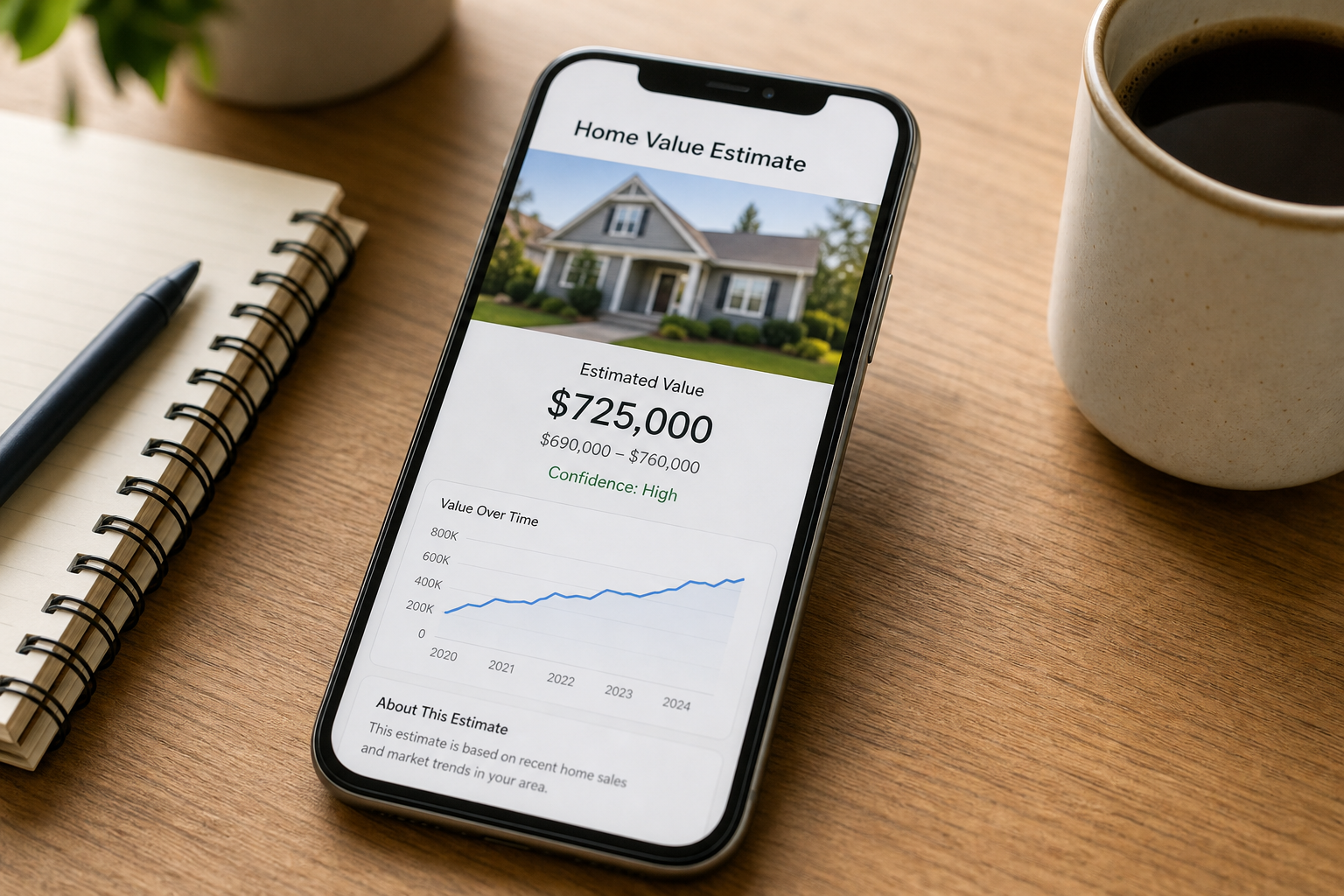
A Personal Home Value page gives homeowners a reason to share details that generic online estimates miss.
Final Thoughts on Choosing Prospecting Tools
Choosing among the best real estate prospecting tools ultimately comes down to whether a platform helps you focus on the right homeowners, reach them appropriately, and stay in front of them long enough to earn their trust. Scoring alone is not enough without contact data, and contact data is not enough without nurture and a clear way to turn interest into an appointment. Therefore, the strongest systems bring scoring, outreach, nurture, and presentation tools together rather than forcing an agent to stitch them together from separate vendors. For a closer look at how one platform approaches this, visit SellScore Pro and review the current trial terms before deciding which combination of tools fits your business best.

