Auto dialers for real estate have become one of the fastest ways for agents to work a phone-heavy prospecting list without losing hours to manual dialing. However, speed alone does not win listings, and the agents who get the best results usually pair their dialer with a smarter list, not just a faster one. This guide breaks down how these systems work, where they run into legal trouble, and how to decide whether one actually belongs in your prospecting stack.
Quick answer: Auto dialers for real estate are calling systems that automatically dial numbers from a contact list and connect an agent once someone answers. They increase talk time, but results still depend on calling the right homeowners and staying compliant with federal telemarketing rules.
What Are Auto Dialers for Real Estate?
Auto dialers for real estate are software tools that remove the manual work of punching in phone numbers one at a time. Instead, the system pulls from an uploaded list, dials automatically, and routes a live answer straight to an available agent. In practice, this means an agent can spend their time talking instead of waiting through voicemails and no-answers.
Most platforms fall into a few categories: preview dialers, power dialers, and predictive dialers. Each one balances speed against compliance risk differently, which matters more than most agents realize until a complaint shows up.
How Real Estate Auto Dialers Actually Work
At the core, a dialer takes a list of phone numbers and places outbound calls on a schedule the agent sets. For example, a preview dialer shows the agent a contact's details before dialing, giving them a moment to glance at notes. A power dialer, in contrast, moves to the next number automatically as soon as a call ends, which keeps momentum high during a dedicated calling block.
Predictive dialers go a step further by calling several numbers at once, using an algorithm to guess when an agent will be free. As a result, connect rates climb, but so does the chance of an abandoned call when no agent is actually available. That abandonment risk is exactly what regulators watch closely, which brings us to compliance.

Pairing auto dialers for real estate with a prioritized seller list helps agents spend call time on homeowners most likely to answer.
Types of Dialers Agents Compare Most
Agents researching options typically land on three categories. Preview dialers offer the most control and the lowest compliance risk, since a human initiates every call. Power dialers sit in the middle, moving quickly through a list while still requiring a live agent to trigger each call. Predictive dialers push volume the highest but carry the most regulatory exposure because the system, not the agent, decides when to dial.
If you are still comparing specific products, a detailed breakdown of top-rated dialers for real estate teams can help narrow the field before you commit to a contract. Similarly, some agents choose to outsource the calling entirely rather than manage a dialer in-house, which is worth weighing against outsourced cold-calling services before buying software.
Compliance Rules Every Agent Should Know
Here is the part most agents skip until it costs them money. The Telephone Consumer Protection Act, or TCPA, restricts how automated dialing technology can be used to contact consumers, and violations are not cheap. According to the Federal Communications Commission, unlawful robocalls can trigger fines of up to $500 per call, and that amount can triple for willful violations.
In addition, every number on a calling list should be checked against the National Do Not Call Registry before a predictive or automated system touches it. Manual click-to-call systems, where an agent physically presses dial for each call, generally face fewer restrictions than systems that use an algorithm to initiate calls automatically. For a deeper look at how these rules intersect with day-to-day prospecting, the overview on whether an auto dialer is still worth it in 2026 covers several edge cases worth reading before you sign up for anything.
Pros and Cons of Auto Dialers for Real Estate Agents
On the upside, dialers save time, reduce manual busywork, and help agents stick to a daily calling habit instead of avoiding the phone altogether. Consequently, teams with disciplined scripts and good lists often see a real lift in conversations per hour.
On the downside, dialers do nothing to fix a weak list. If anything, a fast dialer just gets you to "no" faster when you are calling homeowners who were never close to selling. Furthermore, predictive dialing modes add compliance overhead that smaller teams may not have the bandwidth to manage correctly.
Why the List Matters More Than the Dial Speed
Most agents assume their problem is call volume. In reality, the bigger issue is usually focus. Dialing faster through a stale expired list, or a FSBO list every other agent in town already has, just means faster rejection. That is precisely the problem SellScore Pro was built to solve.
Rather than starting with a random list, SellScore Pro scores homes across all 50 states as Hot, Warm, or Cold based on seller signals, then supplies verified owner names, phone numbers, and emails through Contact Find. Agents can export that prioritized list straight into whatever dialer they already use, which means every call targets a homeowner the data says is more likely to be thinking about selling. You can see how the scoring and contact process works directly at sellscorepro.com.
For agents who want to understand this approach in more depth, the guide on finding seller leads before competitors do explains how seller-signal scoring changes the economics of cold calling.

A prioritized seller heat map helps agents decide who to call before an auto dialer ever picks up the phone.
How to Choose the Right Auto Dialer for Your Brokerage
Choosing a dialer does not have to be complicated if you work through it in order. The following steps keep the decision grounded in actual call volume and compliance needs rather than flashy features.
- Define your call volume and team size. Count how many outbound calls your team realistically makes per day and decide whether you need single-line or multi-line dialing before comparing pricing tiers.
- Confirm compliance safeguards. Make sure the dialer automatically scrubs numbers against the Do Not Call Registry and clearly labels which dialing mode you are running.
- Test integration with your lead source. Verify it can import a prioritized list directly from your CRM or seller-intelligence platform so agents are not re-entering numbers by hand.
- Run a short trial before committing. Dial a real list for at least a week, tracking connect rates and whether notes sync correctly, before signing a longer contract.
Beyond dialers alone, many brokerages also round out their listing pipeline with creative outreach. A few creative listing marketing ideas can complement a calling strategy when a homeowner needs more than one touchpoint before they pick up the phone.
Auto Dialer vs. Seller-Intelligence Platform: What's the Real Difference?
It helps to think of these as two different layers of the same workflow. A dialer is the mechanism that places the call. A seller-intelligence platform like SellScore Pro decides which homeowner deserves that call in the first place, based on nearly 50-state property and market signals, then keeps the relationship warm through 48 weeks of automated nurture emails even if the first call goes to voicemail.
In other words, the dialer and the data work best together, not as substitutes for each other. Agents who treat SellScore Pro as the targeting engine and their dialer as the delivery mechanism typically get more out of both tools than using either one alone.
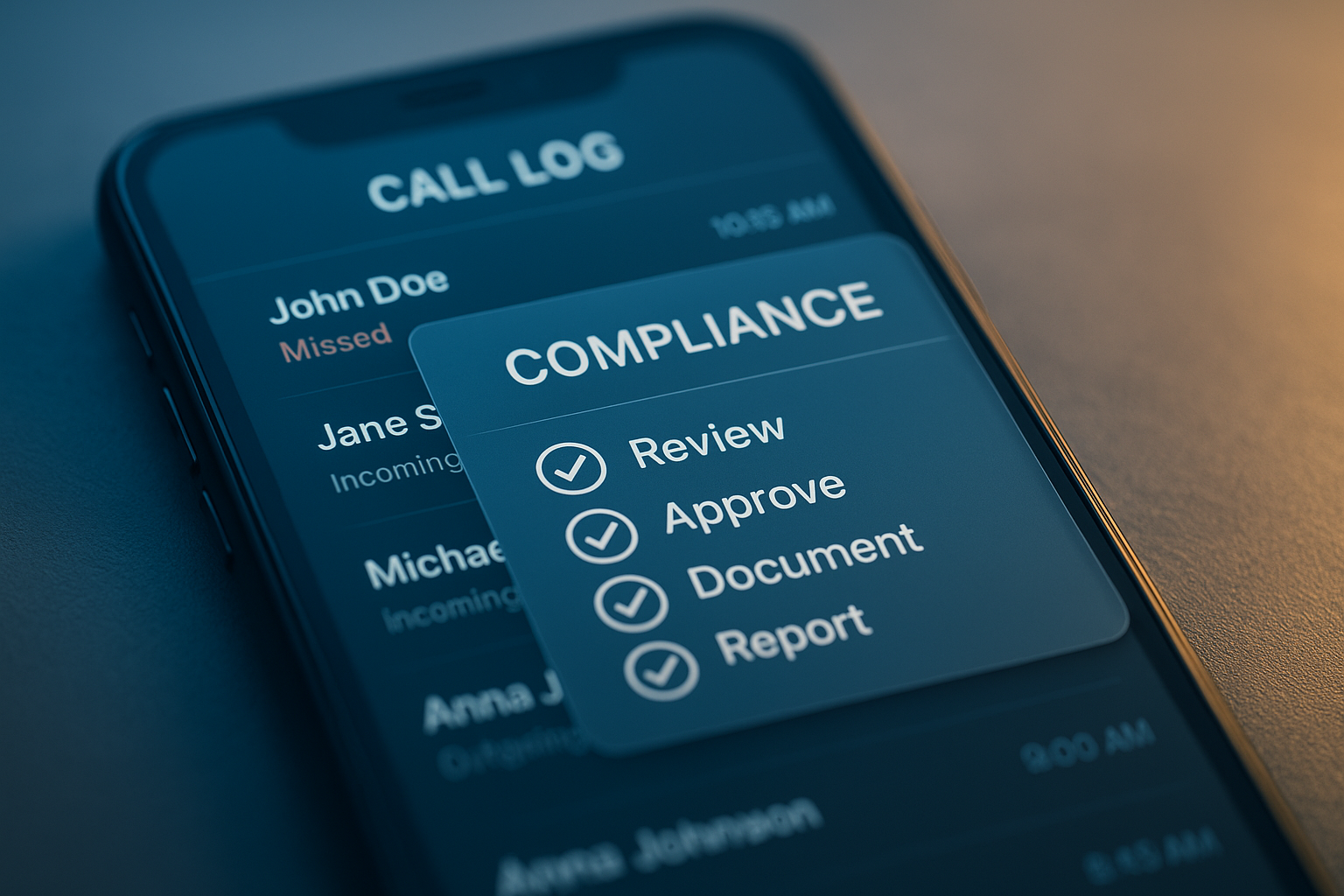
Reviewing Do Not Call status before each campaign keeps auto dialers for real estate on the right side of federal telemarketing rules.
Frequently Asked Questions About Auto Dialers for Real Estate
What are auto dialers for real estate?
Auto dialers for real estate are phone systems that automatically place outbound calls from a prospecting list and connect an agent only when someone answers. They remove the manual dialing step so agents can talk to more homeowners in less time.
How do real estate auto dialers work?
An auto dialer uploads a contact list, dials numbers in sequence or in parallel, and filters out voicemails, busy signals, and disconnected lines. Once a live person picks up, the system routes the call to an available agent.
Are auto dialers legal for real estate prospecting?
Yes, but only when agents follow the Telephone Consumer Protection Act and check numbers against the National Do Not Call Registry. Predictive dialers that use auto-dialing technology face stricter consent rules than manual click-to-call systems.
What is the difference between a power dialer and a predictive dialer?
A power dialer calls one number at a time as soon as an agent is free, which keeps compliance simple. A predictive dialer calls multiple numbers at once using an algorithm, which increases talk time but carries more regulatory risk.
How much do auto dialers for real estate cost?
Most real estate dialers range from about $100 to $400 per seat per month, depending on call volume and features. Some platforms charge extra for local presence numbers, call recording, or integrations.
Can an auto dialer replace a CRM?
No, a dialer handles the calling mechanics while a CRM tracks contacts, notes, and follow-up tasks. Most agents pair a dialer with a CRM or a seller-intelligence platform so every call is logged against the right lead.
Do auto dialers improve listing conversion rates?
Auto dialers increase the number of conversations an agent can have, but they do not improve who is on the other end of the line. Conversion improves most when the dialer is paired with a prioritized list of homeowners showing real seller signals.
What is the biggest mistake agents make with auto dialers for real estate?
The most common mistake is dialing the same generic expired or FSBO list every other agent in town already has. High call volume against a weak list just produces faster rejection, not more listings.
How long does it take to see results from cold calling with a dialer?
Most agents need 60 to 90 days of consistent daily dialing before conversion rates stabilize. Results depend heavily on list quality, script discipline, and whether the homeowner is actually close to selling.
Should agents build their own call list or buy one?
Buying a generic list usually means competing with multiple agents for the same homeowner. A better approach is using seller-signal data to prioritize homeowners who are more likely to list soon, then dialing that shorter, sharper list.
What features matter most in a real estate dialer?
Look for Do Not Call scrubbing, call recording, local presence caller ID, voicemail drop, and CRM or calendar integration. Compliance tools matter as much as speed features.
Can SellScore Pro work alongside an auto dialer?
Yes. SellScore Pro supplies the Hot, Warm, and Cold seller scores and verified contact details, and agents can load that prioritized list into their preferred dialer. The platform focuses on finding the right homeowners to call, not replacing the phone system itself.
Is cold calling still effective for getting listings in 2026?
Cold calling still works, but it performs far better when agents call homeowners showing genuine seller signals rather than a random neighborhood list. Combining a dialer with prioritized data narrows the odds in the agent's favor.
Final Thoughts on Auto Dialers for Real Estate
Auto dialers for real estate genuinely help agents move through a calling list faster, and for teams with the discipline to use them consistently, that speed can translate into more conversations each week. However, speed only pays off when it is pointed at the right homeowners, which is why pairing any dialer with prioritized seller data tends to outperform volume alone. Before adding another tool to your stack, consider starting with the targeting problem first: score your market, find the homeowners most likely to sell, and then let your dialer do what it does best. SellScore Pro's $1 trial at app.sellscorepro.com/claim is one way to see that prioritization in action before your next calling session.
